The Collegian Effect
Kenyon produces top journalists without offering a journalism degree.
Read The StoryVirginia McBride ’15 uses an interdisciplinary approach at the Metropolitan Museum of Art to work with photographs that tell more than one story.
Story by Liz Logan | Photography by Chris Sorensen
The work of a curator is part historian, part detective. As assistant curator of photographs at the Metropolitan Museum of Art in New York City, Virginia McBride ’15 often works with what she describes as “strange and beautiful” photographs by unidentified makers. Sometimes, though, there are breakthroughs.
Earlier this year, for instance, McBride and her colleagues became enthralled by a photograph of men in a British prisoner-of-war camp during the Boer War at the turn of the 20th century and decided to acquire it for the Met’s collection. “The way the men raised their faces to meet the camera, something about it stuck with us all, and we had to have it,” she said.
McBride sprang into action, digging into archives with little expectation of finding much. But through deeper investigation, she identified the photographer and uncovered something darker: the image had been taken under predatory circumstances and widely reproduced by people on both sides of the conflict, raising urgent questions about photojournalistic ethics.
“One day I’m working with this mysterious, enchanting picture,” she said, “and a few days later, I’m reading the words of a man who was there, 125 years ago, at the moment of the photograph’s exposure, in this grim colonial camp, thousands of miles from home.”
The discovery was one of many exhilarating moments in McBride’s work at one of the greatest museums in the world. And her path to the Met started years earlier, when the art history major worked as a Gund Associate in the program’s inaugural year.
Founded in 2011, The Gund is a teaching museum at Kenyon that is accredited by the American Alliance of Museums — a distinction that allows it to borrow works from major institutions and hold all its activities to professional and museum-specific standards of operation. The associate program is open to students from any major, and they work collaboratively in groups on curatorial research, collection stewardship, education and visitor experience. Daisy Desrosiers, the David and Francie Horvitz Family Foundation director and chief curator, said the program is meant to introduce students to “the depth and breadth of positions that exist in a museum, and also the depth and breadth of expertise that’s needed. The program is not an enhancement to the museum’s work — it is its animating force. The Gund Associates program stands as one of the most ambitious and fully integrated under-graduate museum initiatives in the country. This model reflects a deeper institutional philosophy: that a museum within a liberal arts college can function as both classroom and catalyst. The Gund operates as a living laboratory where scholarship becomes experience and interpretation becomes public conversation.”
“As a headstrong undergraduate, I chafed a bit at the interdisciplinary nature of Kenyon’s course requirements, wishing I could do just art history all of the time,” McBride said with a laugh. “Now I’m so grateful that, in addition to studying constructivism, I was able to read Mayakovsky poems in Russian class, and integrate Bauhaus-inflected arguments into my sociology papers. Because now, I work at an interdisciplinary museum with experts in everything from armor to armoires.”
That habit of moving between disciplines continues to shape how McBride approaches photographs — not just as objects, but as historical documents shaped by the conditions in which they were made.
In high school in Austin, Texas, McBride had an influential teacher who incorporated aesthetics into the study of history and literature, and she was immediately hooked. At Kenyon, she was pleased to discover that the art history faculty consisted of a small group of tight-knit professors who had been working together for decades. In Melissa Dabakis, professor emerita of art history, McBride found not only an eye-opening teacher but also a model for what a scholarly life in art could look like. “She modeled a formidable standard of scholarship and showed me what it might look like to have a career in this field,” McBride recalled.
Dabakis also encouraged McBride to look beyond what was strictly considered fine art, which led her to photography. “Because photography began outside the enshrined realm of fine art, it has this democratic history that appealed to me,” McBride said. “There are so many makers and practitioners in photography who were not trained in any school of art-making and are not represented in the usual histories of art.” With Dabakis as her advisor, McBride wrote her honors thesis on modernist photography and photomontage.
Working as a Gund Associate “was a wonderful proving ground for the many practical demands of a museum career,” McBride said. In addition to curatorial writing, “I was slicing labels with the label machine, giving tours and arranging cheese platters for the opening. There was an all-hands-on-deck feeling of a group of enthusiastic people coming together.”
The experience helped McBride land a summer internship at the Cooper Hewitt, Smithsonian Design Museum in New York City, followed by an internship at the Metropolitan Museum of Art the summer after graduation. She stayed in New York, juggling short-term museum jobs while pursuing a doctorate in art history at Rutgers. She worked as a cataloguer at the Museum of Modern Art and returned to Cooper Hewitt to assist with several projects.
“I was doing everything possible, because it’s a very precarious endeavor, trying to make one’s way in this very competitive field,” she recalled.
In 2018, McBride returned to the Met as a research assistant for several upcoming photography exhibitions. That job ultimately led to her current role as assistant curator. In 2024, after co-curating several Met exhibitions, she organized her first solo endeavor, “The Real Thing: Unpackaging Product Photography.” The show looked at “how the camera can transform and elevate even the humblest objects,” McBride said. Those objects included a shoe, a hat and a tube of toothpaste.
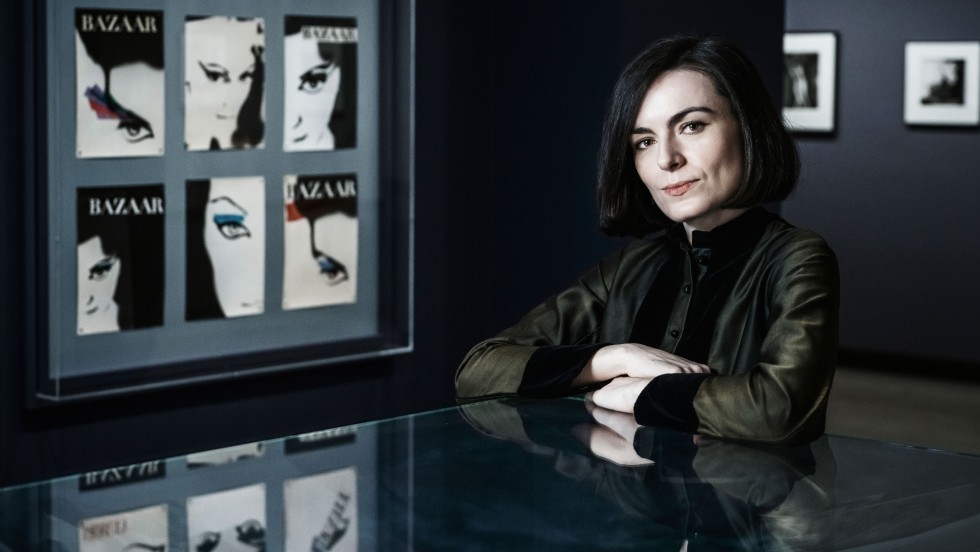
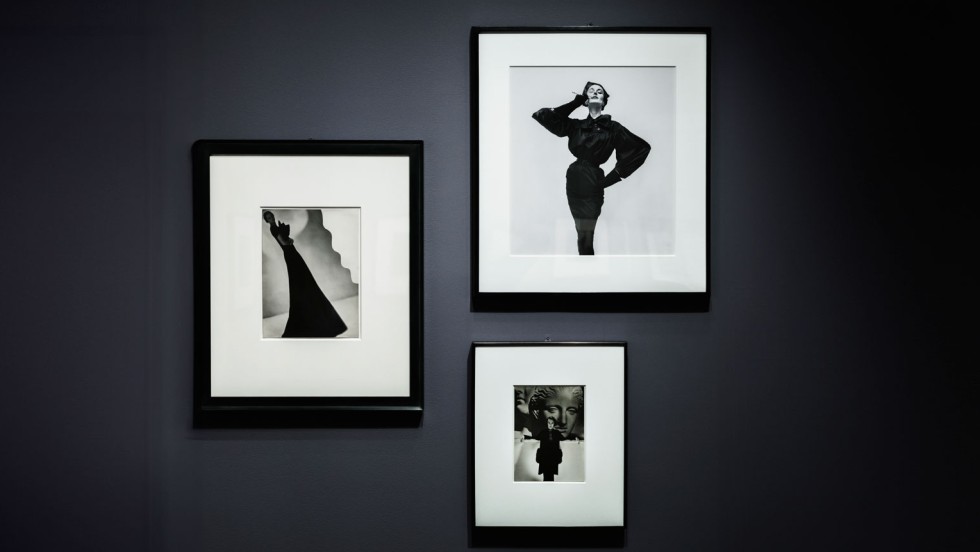
McBride’s most recent curatorial project is an exhibition on midcentury photographer Lillian Bassman, currently on view at the Met. Working alongside art director Alexey Brodovitch at Harper’s Bazaar and its teen offshoot Junior Bazaar, Bassman pushed the boundaries of fashion photography. “Bassman introduced a new photographic aesthetic, adapting modernist motifs, and rethought how photos appeared on the printed page,” McBride said. Many of the works — drawn from a donation by Bassman’s estate, with whom McBride worked closely — are on view for the first time.
Ten years after graduation, McBride still has a strong connection to Kenyon. When Dabakis is in New York, they meet up for lunch at the Met cafeteria. And last year, McBride led a tour for Kenyon alumni, and prior to that, offered a private tour to the Board of Directors of The Gund through an exhibition she worked on, “The New Art: American Photography, 1839-1910.” It was particularly special, McBride said, because the late Graham Gund ’63 H’81, the renowned architect, art-lover and benefactor for whom the gallery and its associates are named, was in attendance: “Walking through the galleries with an intergenerational group of Kenyon alums, art-lovers and collectors, including Graham Gund, was a real full-circle moment.”
In 2026, The Gund is on the road. A series of conversations organized in conjunction with the museum’s 15th anniversary will bring together artists from the collection, alongside friends and collaborators. Each gathering centers dialogue — with artists, with audiences and with the ideas that continue to shape The Gund — as a way to reflect on where it has been and to imagine what comes next. Upcoming events include programs in New York City, Washington, D.C., and more. For details and registration, visit thegund.org.
From Alumni Magazine - Spring 2026
These alumni illustrate some of the many career paths former Gund Associates have taken in the arts.
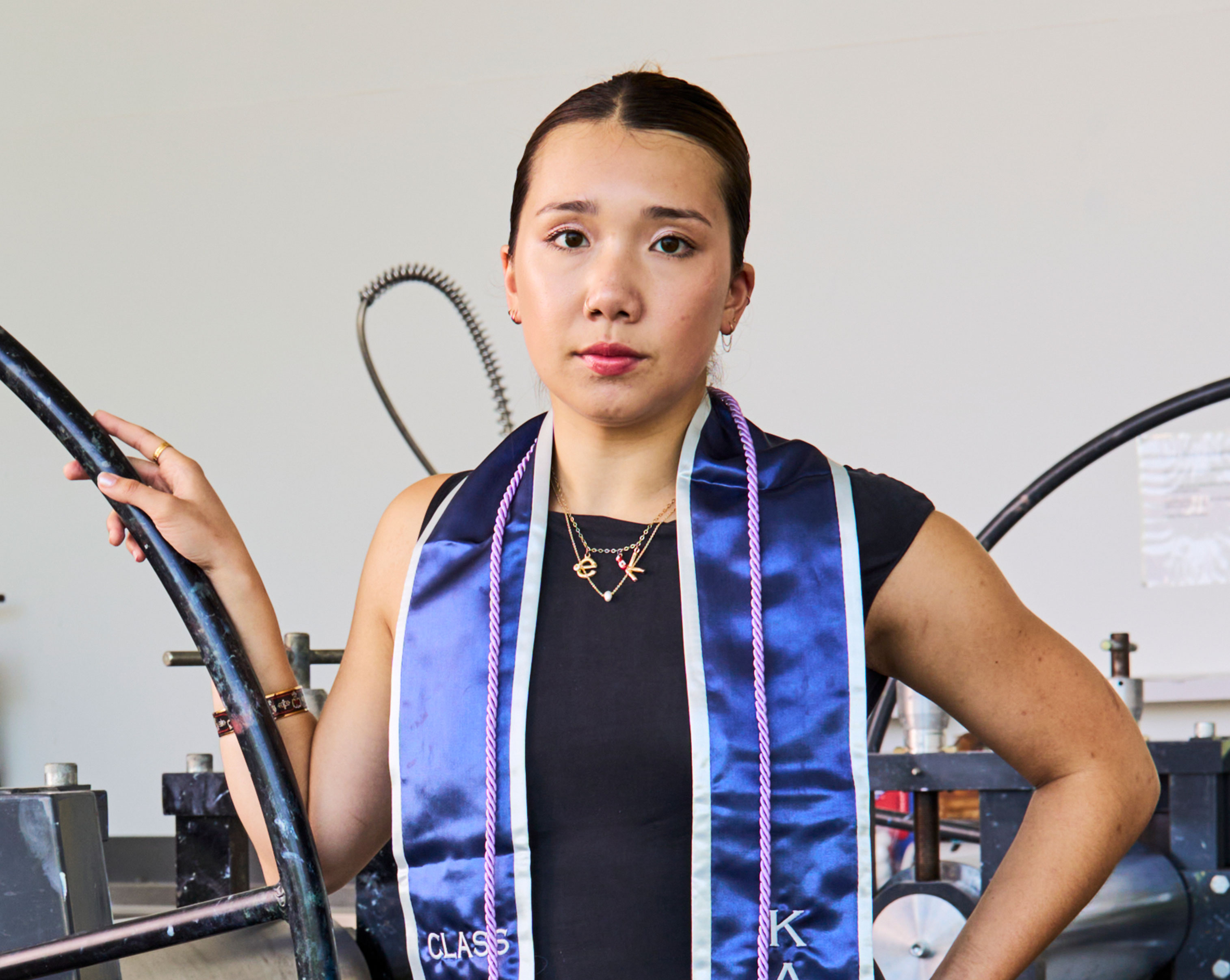
Emma Kang ’25 is the Brooke Alexander fellow in the Department of Drawings and Prints at the Museum of Modern Art (MoMA) in New York City, where she splits her time between curatorial work and collections management. Previously, she worked as a writer at the nonprofit Civil Art, which is dedicated to creating more equity in the art world, and held internships at MoMA and the Smithsonian.
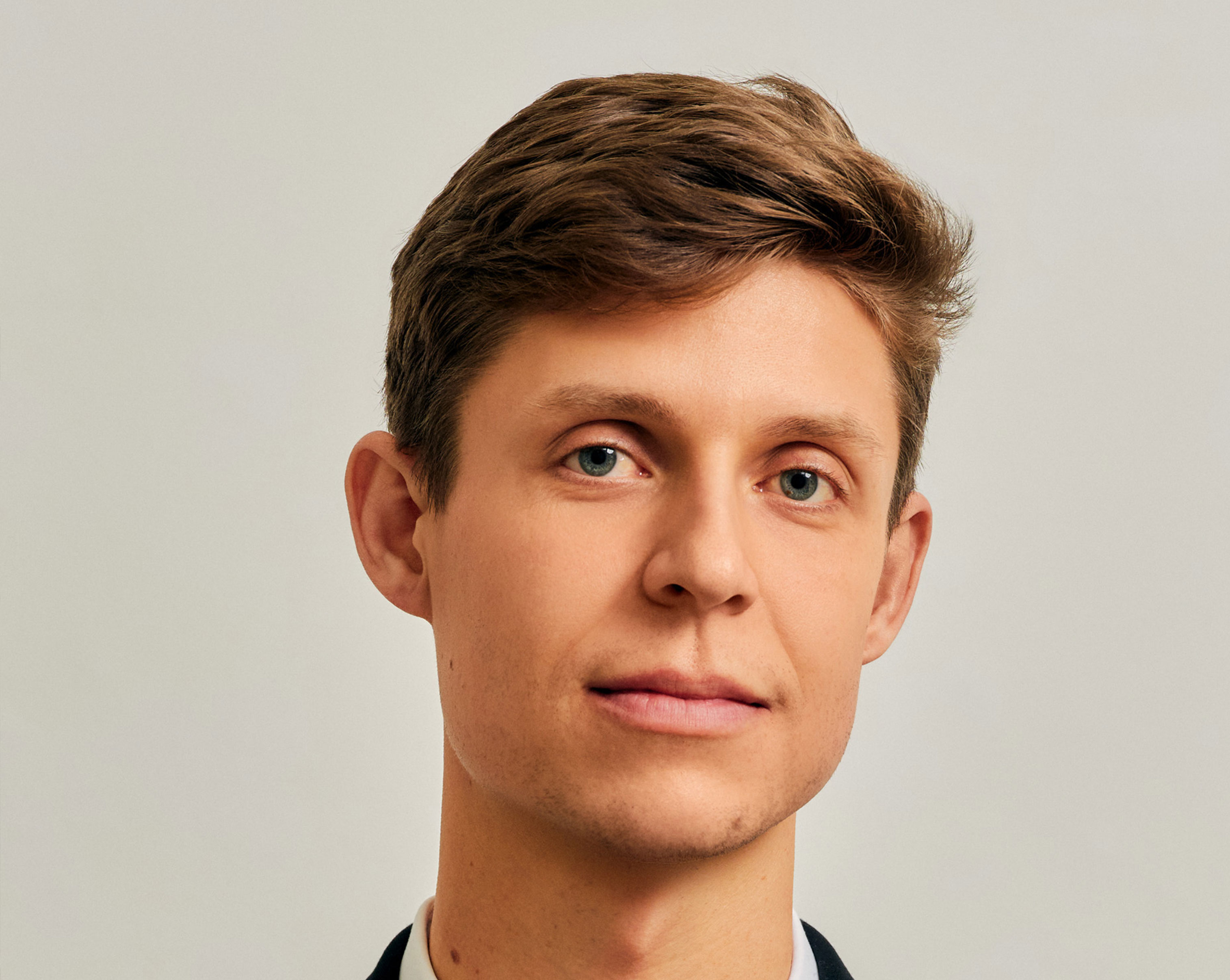
Kim Davidson ’18 is associate director at Bortolami Gallery in New York City, where his work includes sales, art fair strategy, liaising with artists and exhibition staging. He previously worked in sales and artist management at David Zwirner, where he helped realize solo and group exhibitions as well as institutional exhibitions, including the 80th Whitney Biennial and the 59th Venice Biennale.
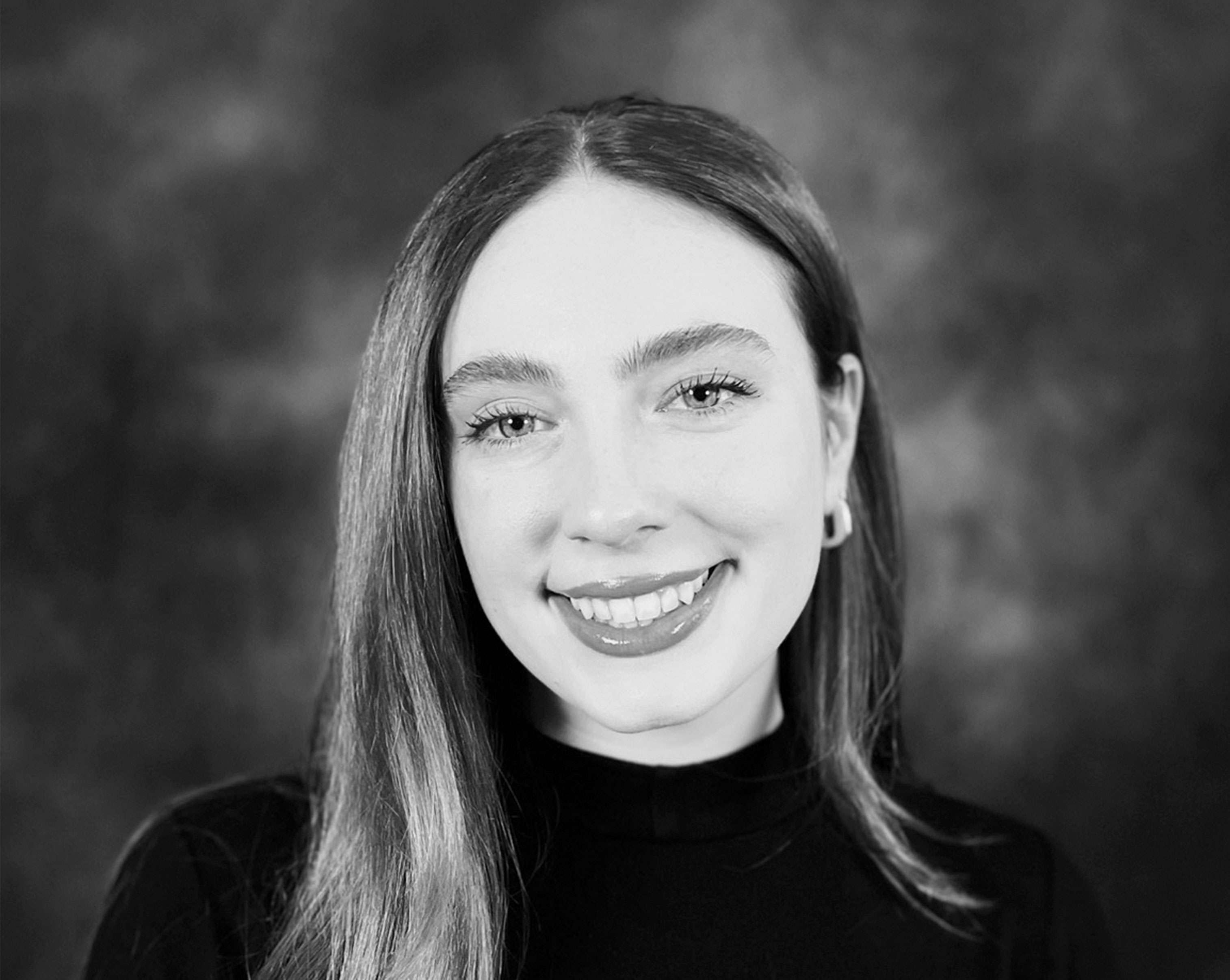
Molly Moran ’23 is a marketplace integrity associate at Artsy, an online art marketplace that partners with more than 3,000 galleries and auction houses worldwide. She’s tasked with protecting the integrity of the online marketplace by developing listing policies, managing artist metadata and investigating authenticity. Previously she worked as an archivist and gallery coordinator at Nicola Vassell Gallery in New York City.
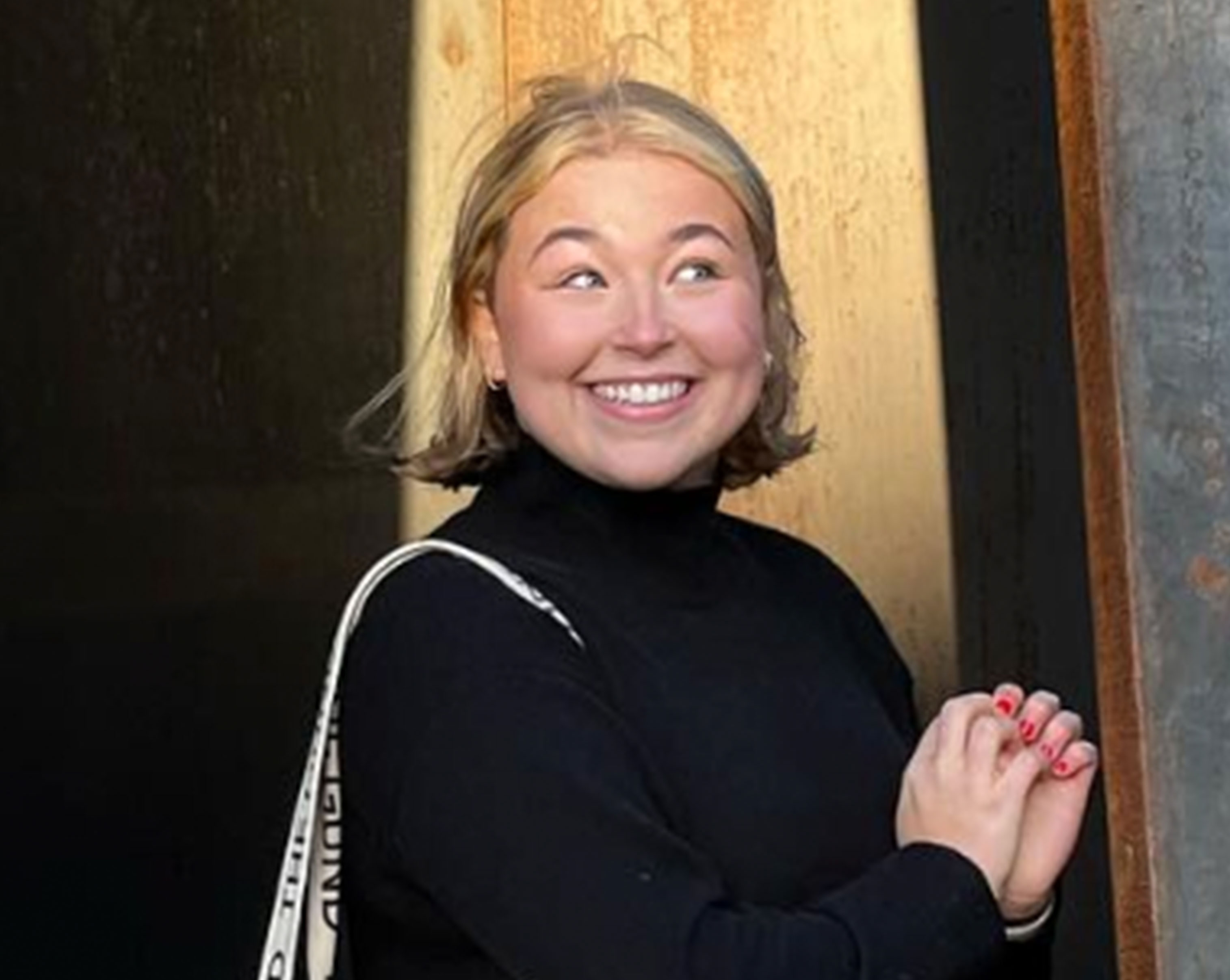
Abbey Flamm ’24 works on contemporary evening sales at Sotheby’s, which operates auction rooms and galleries throughout the world. She oversees the seller experience, from collection of artworks through public exhibition and ultimately to auction. She has contributed to the sales of many notable works, including paintings by Jean-Michel Basquiat and Maurizio Cattelan’s “Comedian.” Previously, she held internships at Phillips auction house, Lehmann Maupin Gallery, and the Heller Group, an art advisory firm.
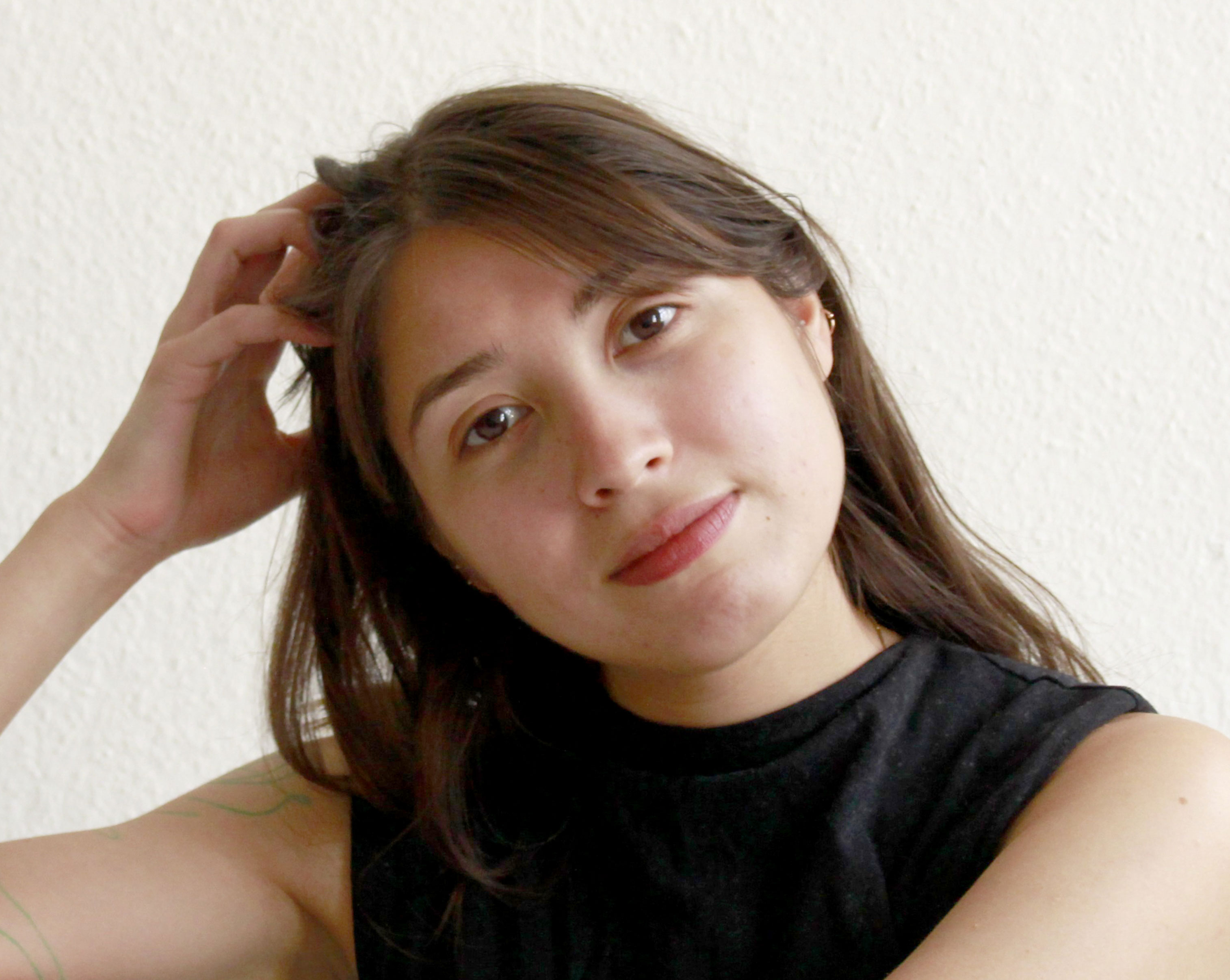
Katarina Eva Yepez ’22 is an emerging Mexican-American visual artist, curator and scholar based in Berlin, Germany, whose bold, whimsical paintings and multi-media works serve as unconventional keepsakes — vessels for nostalgia, documentation and collective memory. She is the co-founder emeritus, and former art director and editor, of Anodyne Magazine, an art and literature periodical centered on FLINTA* experiences regarding health.
Kenyon produces top journalists without offering a journalism degree.
Read The StoryKenyon’s liberal arts approach to AI and computing prepares students to shape — and question — the technologies…
Read The Story