Written in Code
Kenyon’s liberal arts approach to AI and computing prepares students to shape — and question — the technologies…
Read The StoryKenyon produces top journalists without offering a journalism degree.
Story by Ryan E. Smith | Photography by Graham Stokes
Kenyon doesn’t offer a journalism major, or a single course in reporting. But that hasn’t stopped dozens of noted journalists from getting their start on the Hill — thanks, in large part, to The Kenyon Collegian. The weekly student-run newspaper, started in 1856 as a literary magazine, has been a valuable training ground for generations of journalists, giving them a place to hone their craft, pick up practical skills and learn from mistakes.
The results are impressive. Just look at the roster of journalists to come out of its ranks: Matthew Winkler ’77 H’00 P’13 co-founded Bloomberg News. Liesel Friedrich ’73, the paper’s first female editor with Denise Largent Roberts ’73, won an Emmy for her investigative work on the ABC series “20/20.” Paul Singer ’88 covered President Bill Clinton as White House correspondent for United Press International. Jay Cocks ’66 — now an Oscar-nominated screenwriter — turned a Collegian article about a day on campus with Bob Dylan into a job as a critic at Time magazine.
Today, the Fourth Estate is filled with former Collegian staffers who have claimed spots on the mastheads of such prominent publications as The New York Times, The Washington Post and Politico. Despite working in an industry threatened by shrinking newsrooms, artificial intelligence and collapsing public trust, these journalists have found success — and they credit the Collegian for some of their most formative experiences.
According to these alumni — some of whom returned to campus last fall for a two-day journalism conference hosted by the Collegian — the student newspaper provided them with what they needed most: a real newsroom serving a real community. It gave them an opportunity to learn by doing in an environment that emphasized accountability, judgment, fairness and the value of one good question.
Here are six lessons that journalists say they picked up thanks to Kenyon’s on-campus newsroom.
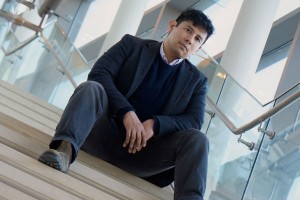
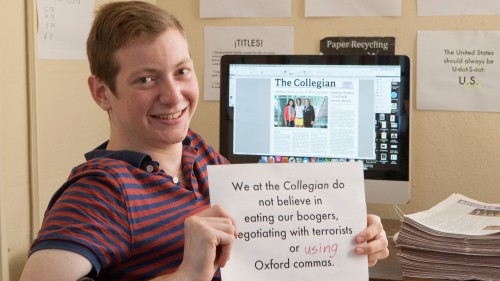
Pictured above: Olivia Braun ’27 and Henry Brandt ’26, the Collegian sports editors for 2025-26, review their work.
Student journalists at Kenyon aren’t reporting on far-off public figures or officials tucked away in some ivory tower. They’re writing about classmates, faculty and administrators who live with them in a close-knit community. That means every word matters — especially when you’re likely to bump into someone you’ve written about on Middle Path or in Peirce Hall.
David McCabe ’14, now a technology reporter at The New York Times, talked during the Collegian’s journalism conference in November about how Kenyon’s intimate campus forces a genuine understanding of accountability.
“The people you’re covering, you have to look them in the eye — maybe even the morning your story is published,” he said. “If not in your first class, certainly by the time you have to go to lunch, you’ll see someone affected by the paper’s coverage. Being editor meant absorbing all that feedback — good and bad — and being an ambassador to campus. It gave me a foundational understanding that your work had real stakes because it was about real people.”
And sometimes, that means facing real criticism.
Matthew Winkler ’77 H’00 P’13, editor-in-chief emeritus and co-founder of Bloomberg News, still recalls the maelstrom that followed a story he published about all the money fraternities spent recruiting new members when he was editor in 1974, the first of two years leading the Collegian. “I was hauled before the journalism board and admonished,” he said.
Winkler stood by the reporting and dedicated much of the next issue to the fallout from the article, including the fact that the Collegian’s editor was chastised. “We hung it all out there,” he said. “A very important lesson in journalism is transparency. … So our approach was just to put it in front of everybody; let the readers decide.”
Incidents like this offered a valuable takeaway for journalists like Paul Singer ’88, chief strategy and audience officer for Ocean State Media in Rhode Island and a former White House correspondent for UPI: Good reporting is going to make some people mad.
“You have to be ready at Kenyon to piss off people you like and to live with the consequences,” he said. “It is a part of the business.”
Even if Kenyon did have a course in journalism, it would be hard for it to surpass the experience students get at the Collegian. The reason is simple, according to Erin Mershon ’12, deputy media editor at The New York Times: “There’s no better training for journalism than doing journalism.”
Her experience at the college newspaper, she said during the Collegian’s journalism conference, wasn’t that different from the real world, meaning that the skills she developed there were instantly transferable.
“There are very few things you get to do at Kenyon that you can say are similar to what you’ll be doing 10 or 15 years down the line,” she said. “The professionalism and skills you develop in writing, communicating and working with peers and community, and then having your work published with your name on it … is exactly what it’s like being a professional journalist. Just with a lower budget.”
And while you might be able to turn in an assignment late for a class, deadlines for a newspaper are unforgiving.
“No matter what, the paper had to publish every Thursday at noon,” said Audrey Baker ’25, a fact checker for the Washington Post Opinions section. “If a story fell through on Wednesday night, we had to figure out how to fill that space. There were no off days if we were sick, if we had an essay due or if we had senior comps that weekend.”
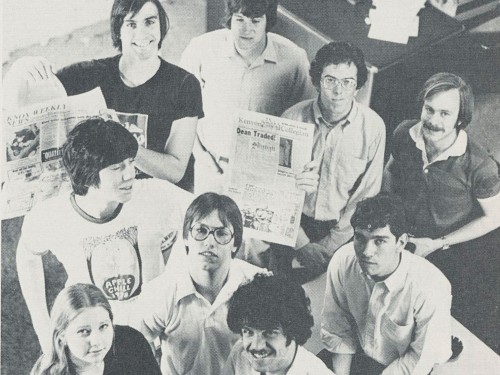
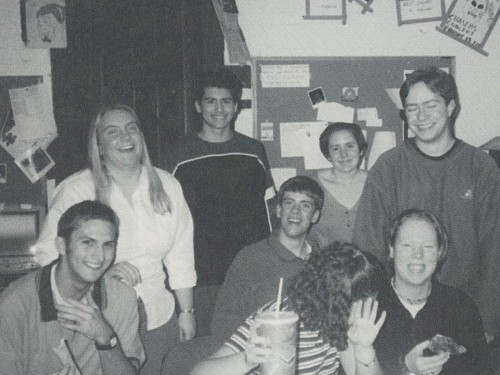
Archival photographs courtesy of Kenyon's Special Collections & Archives.
From Alumni Magazine - Spring 2026
The people you’re covering, you have to look them in the eye — maybe even the morning your story is published.”
Sometimes it’s not the size of the fish that matters, but the size of the pond. Getting a start in journalism in a small community like Kenyon comes with plenty of advantages.
Henri Gendreau ’16, founder of The Roanoke Rambler news site, used his time in Gambier to co-found The Collegian Magazine in 2014, a year before he took the reins as co-editor-in-chief of the paper. The experience of having an idea — and the freedom to pursue it — has influenced his whole career.
“If you’re at a bigger place, there are systems in place; you’re more of a contributor or a cog,” he said. “But at Kenyon, a classmate and I said, ‘We’re going to start a magazine, and here’s how it’s going to work.’” We went to businesses in Mount Vernon and sold ads to help pay for it, and so we were able to do that without a bunch of hurdles or administrative, bureaucratic roadblocks.”
There are no prerequisites to getting involved in the Collegian. You sign up and start writing. It’s a culture of learning on the fly, taking chances and trying something new. That, according to Singer, is a sharp contrast to other schools.
“If you go to (a large university), there’s going to be a committee you’re going to have to get through to get a spot on the newspaper, and you’re going to have to take certain required classes first, and there are a hundred other people trying to compete for those jobs,” he said. “Kenyon is not like that. At Kenyon, if you want to do something, you just go do it. There’s no barrier to you.”
Reporters don’t need the resources of a major newspaper to break open a big story. They don’t even need a cellphone or the Internet. All it takes is one good question — and nothing teaches that like a liberal arts education.
“What (Kenyon) taught me, both in my general classwork and in my journalism work, was to take my own questions seriously and to research them carefully to find the cracks,” Singer said. “The whole joy of journalism is learning to disassemble interesting questions and put them back together again. It’s exactly the same as a good liberal arts education. Trust your own questions and don’t stop asking them until you have an answer that satisfies you.”
That was central to the “more” philosophy that Liesel Friedrich ’73 — former book editor at The New York Post and associate producer and writer for ABC News — learned at the Collegian: ask more questions, get more sources, always want more.
“Don’t be shy,” she said. “Ask anybody anything you want to know. If they don’t know the answer, perhaps they can tell you who does. Also, it’s important to involve as many people as possible in writing an article. A story has more than two sides. It has as many facets as a Tiffany diamond. … Keep trying to think of new and different angles to approach the story.”
Sometimes life lessons come from professional ones. That was the case for Winkler, who came away from his Collegian experience with a philosophy that has guided him for half a century — in and out of the newsroom.
“What did I learn in those two years at the Collegian? The answer is three words, which to me are essential to living well and doing well: ‘Integrity,’ because without integrity, you can’t be taken seriously. So integrity above all else. ‘Commitment,’ because to have integrity requires an extraordinary effort. And finally, and definitely not last, ‘gratitude.’ Why? Because we’re all in this together.”
Jordy Fee-Platt ’22, the broadcasting voice of a minor league baseball team in San Antonio and former trending reporter for The Athletic, recalls a specific incident at Kenyon when this lesson really hit home. A student protest had turned into a lock-in, and a number of facts about the situation were unclear.
“We really had to toe the line of focusing on what the facts were that we had and not speculating, and I think that is such a valuable lesson,” he said. “You think you have these answers and you really don’t, and in order to continue to maintain a good reputation and to be a good reporter, you don’t push things when they’re not there. You stick to what you have for certain. And I think it was those types of stories that were super beneficial down the line.”
There’s no better training for journalism than doing journalism.”
So many journalists get into the business to make a difference in the world around them — and that’s as true at Kenyon as anywhere else. “We did what I thought were some really powerful things,” Singer said. “We picked a lot of fights, which I thought was important.”
Sometimes that means shining a light on uncomfortable truths or starting a campus conversation. One that still sticks with Singer involves a series of articles the paper ran in the 1980s regarding minorities on campus.
“At the time, there were very few students of color, and (the series) ended up leading to a town hall with the trustees who had a whole community meeting about the diversity of Kenyon’s student body. And ultimately, they hired the first diversity coordinator for the College. So we were really driving a conversation.”
How do you know you’re asking the right questions? When everyone on campus is listening to your answers. Decades after she graduated, Friedrich still savors the quiet that fell upon Peirce Hall each week when the Collegian came out.
“The most satisfying thing was walking into the dining hall on Thursday night and having it be silent,” she said in a previous Kenyon Alumni Magazine interview. “No one was throwing their Jell-O or messing around. Everyone was reading the paper.”
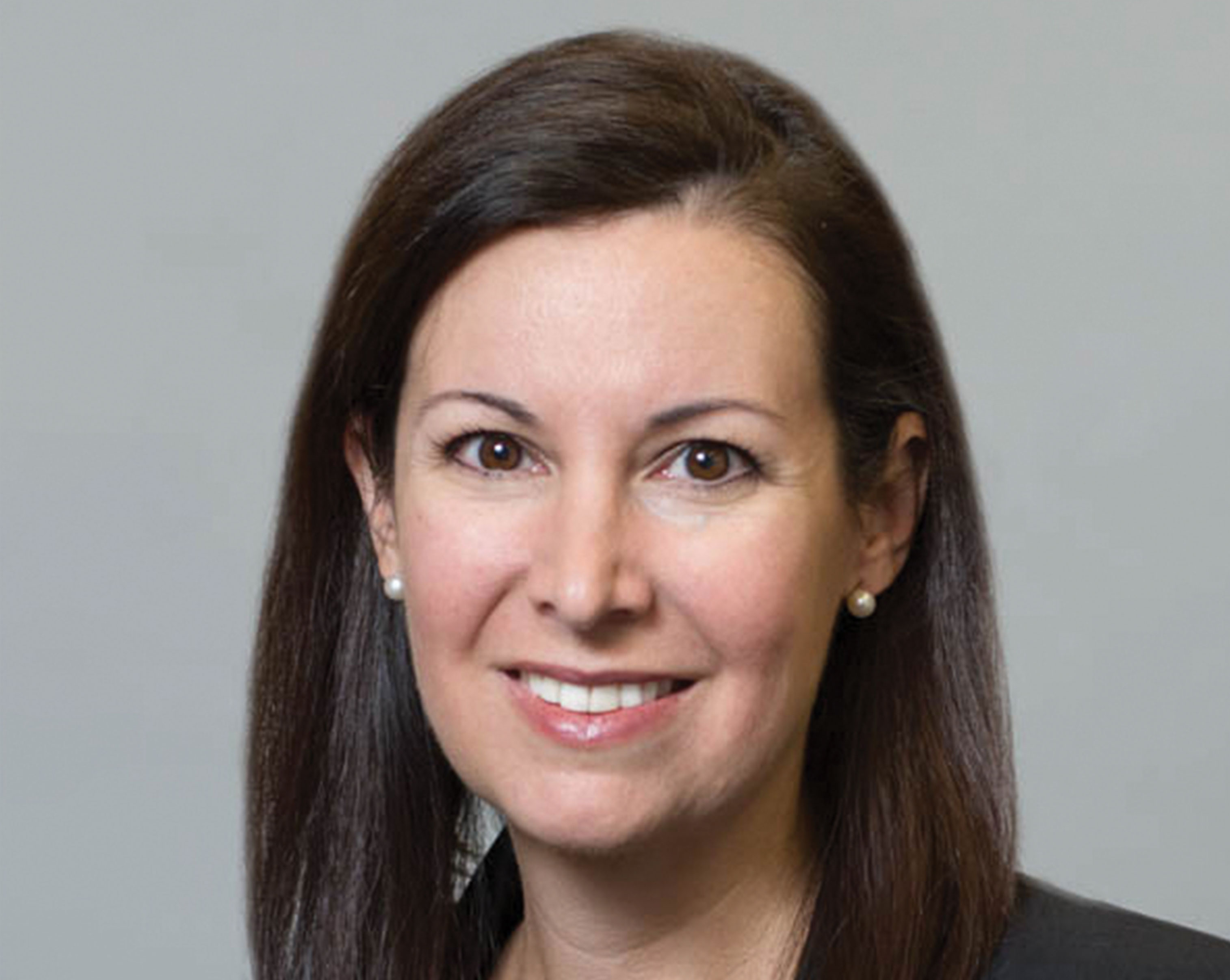
ON ACCOUNTABILITY
Beth Bennett ’96
Associate dean and professor of journalism at the Medill School at Northwestern University
“Being a student journalist is a tough job because you live in a small community. When you do a story and people don’t like it, you see your peers in class and in the dining halls.”
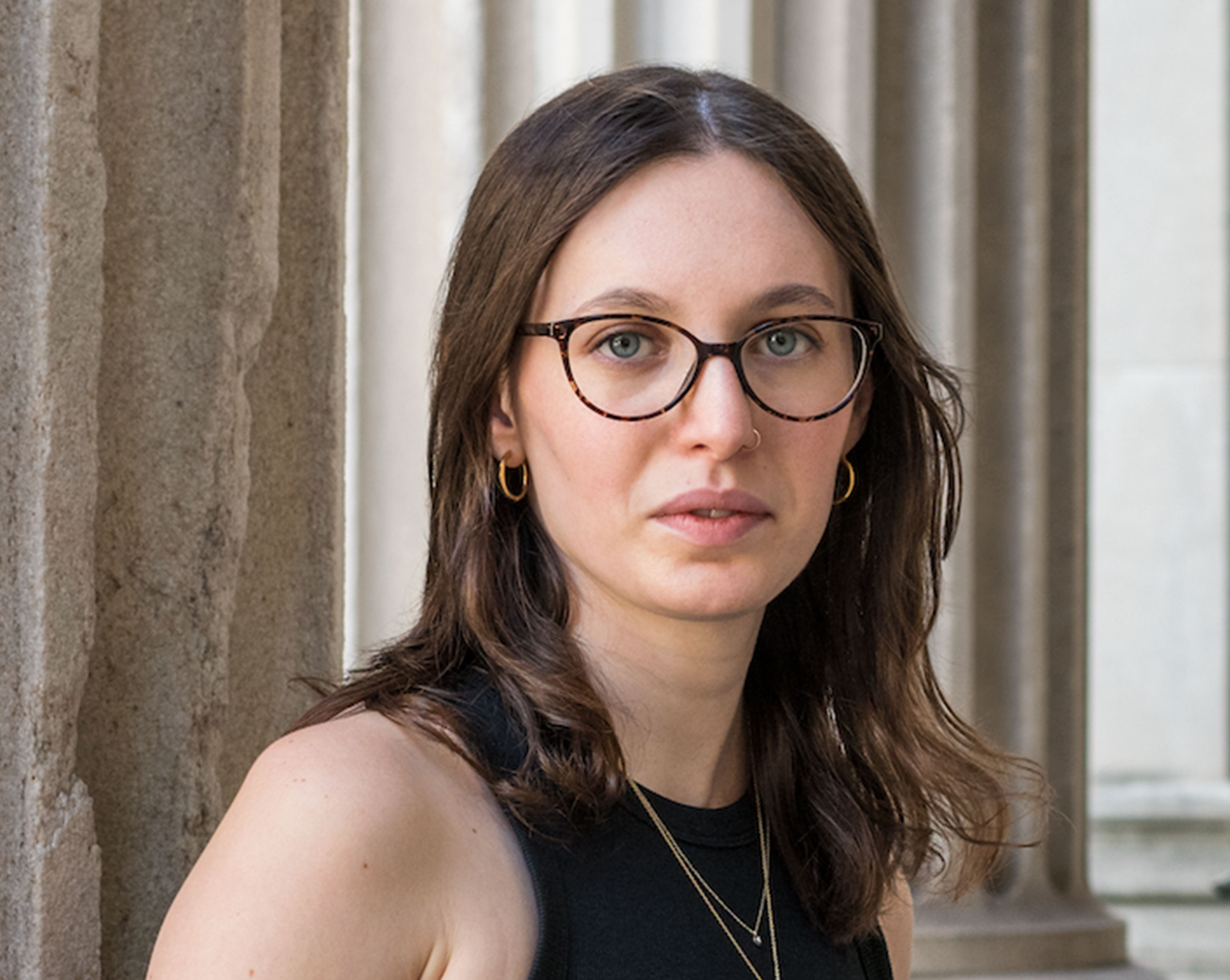
ON LEGACY
Sacha Franjola ’26
Co-editor-in-chief of the Collegian for 2025-26
“We’re fortunate to have such a fantastic lineage at the Collegian, filled with lots of talented professional journalists but also a lot of people just like us who cared deeply about the paper while they were working on it and who carried the lessons of the Collegian into the rest of their lives.”
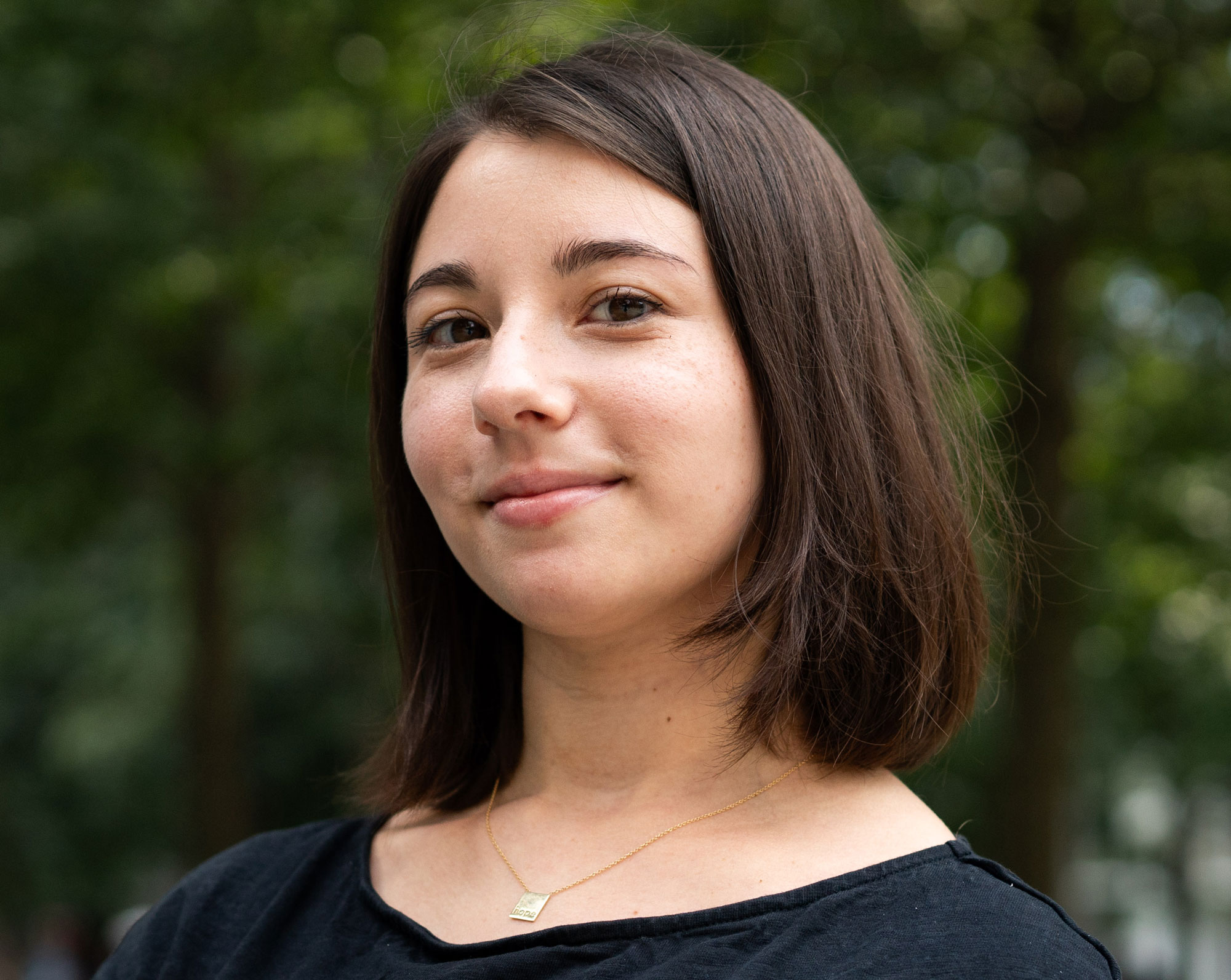
ON MENTORSHIP
Maya Kaufman ’17
Health care reporter at Politico
“I still remember (former) Collegian advisor Ivonne García’s workshop on how to write ledes and nut grafs — fundamentals I now use every day.”
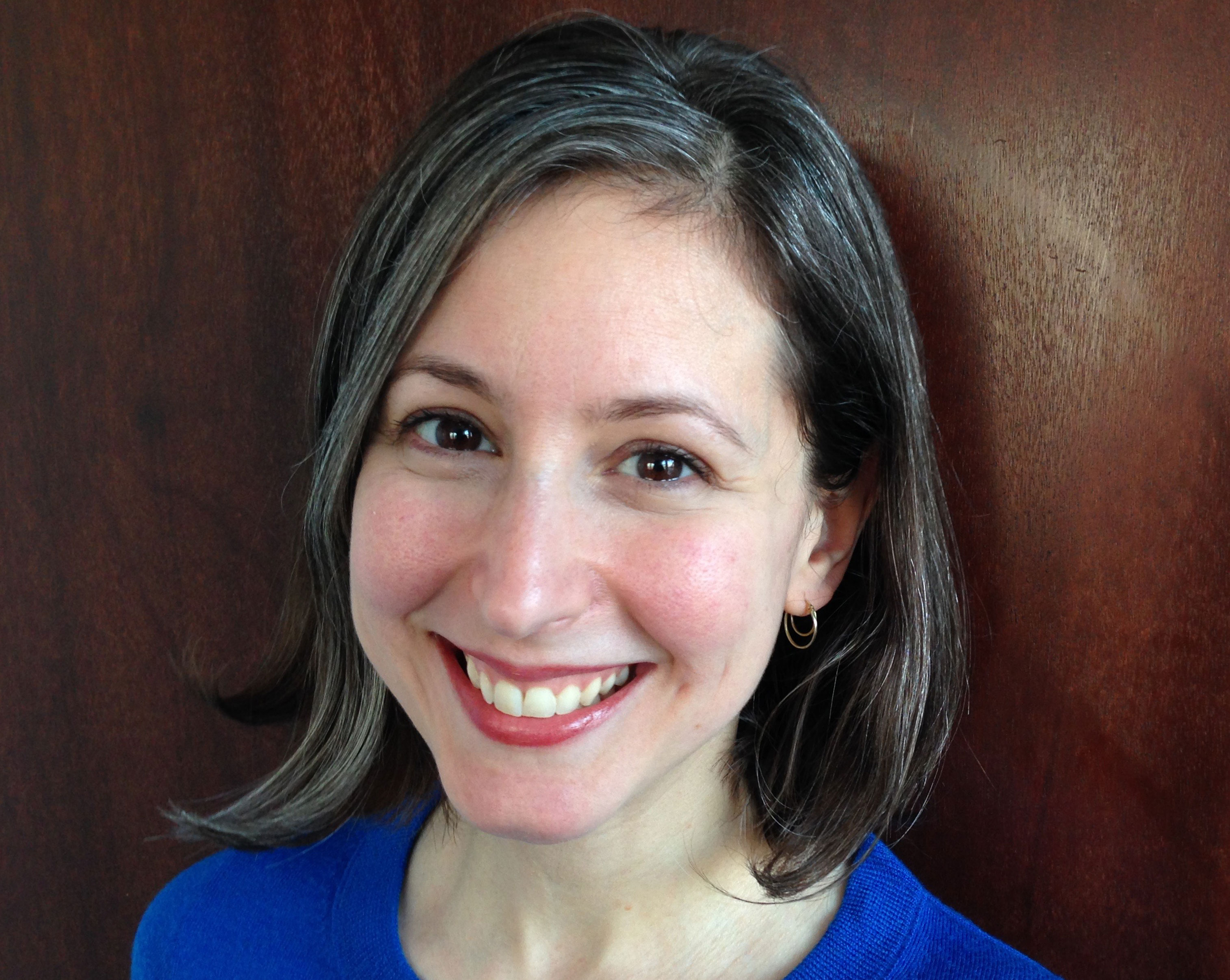
ON WRITING
Jenny Lawton ’01
Editor of “Explain it to Me” and “Today, Explained” at Vox
“This was one of my first experiences writing in a journalistic voice, and quickly. It’s a very different writing process and style than what we’d use for term papers. Writing for the eye and ear is a skill I worked on for years after — and continue to!”
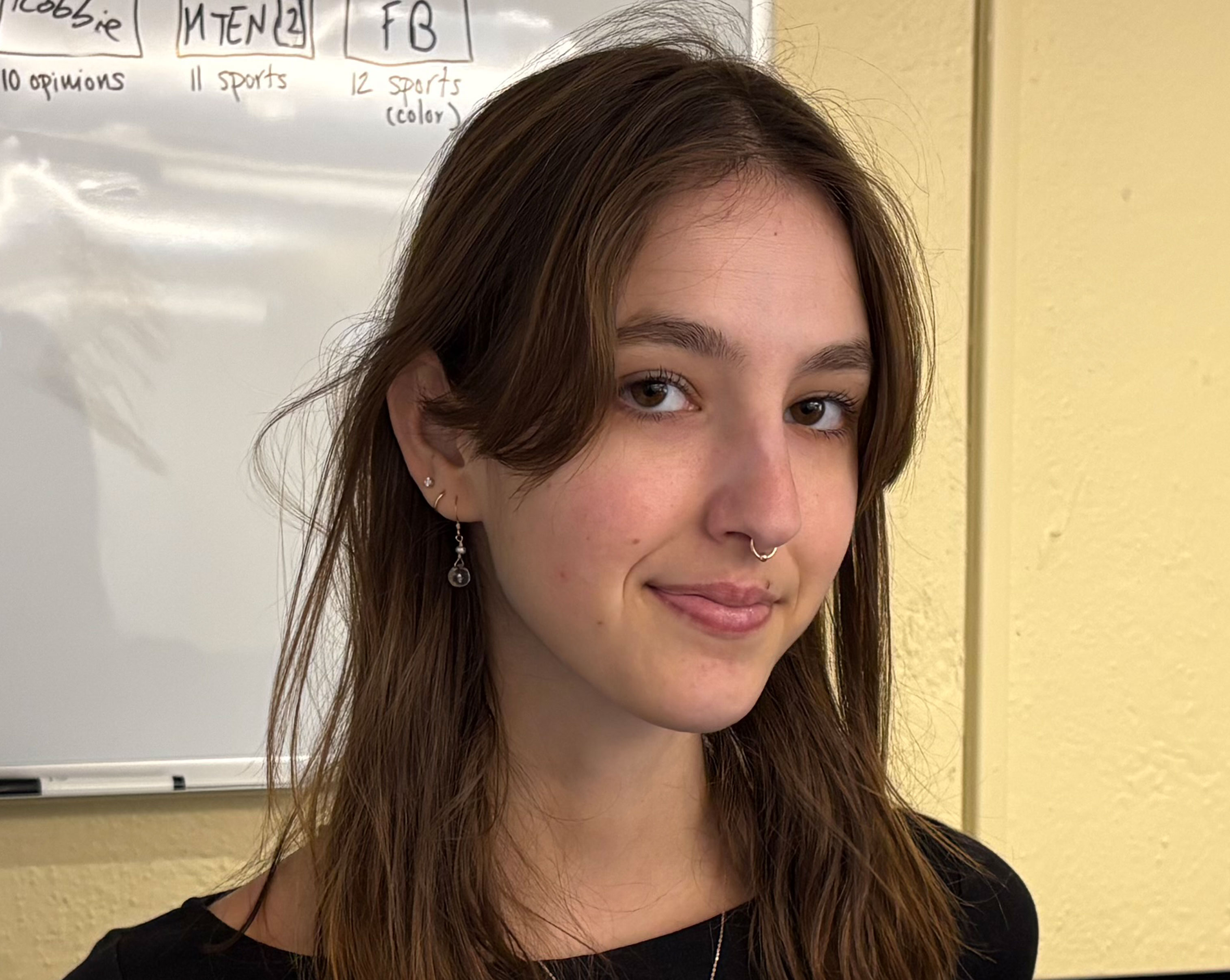
ON EXPERIENCE
Dorothy Yaqub ’26
Co-editor-in-chief of the Collegian for 2025-26
“I’ve learned everything that I know about journalism by doing it. I started at the Collegian as a first-semester freshman with zero journalism experience. … As I’m preparing to graduate and starting to look for jobs in journalism, my time at the Collegian has helped me feel incredibly prepared.”
Kenyon’s liberal arts approach to AI and computing prepares students to shape — and question — the technologies…
Read The StoryVirginia McBride ’15 uses an interdisciplinary approach at the Metropolitan Museum of Art to work with photographs…
Read The Story