Curating the Photographic Record
Virginia McBride ’15 uses an interdisciplinary approach at the Metropolitan Museum of Art to work with photographs…
Read The StoryA conversation with Kenyon innovator Lydia Winkler ’13 of RentCheck and REEP Now.
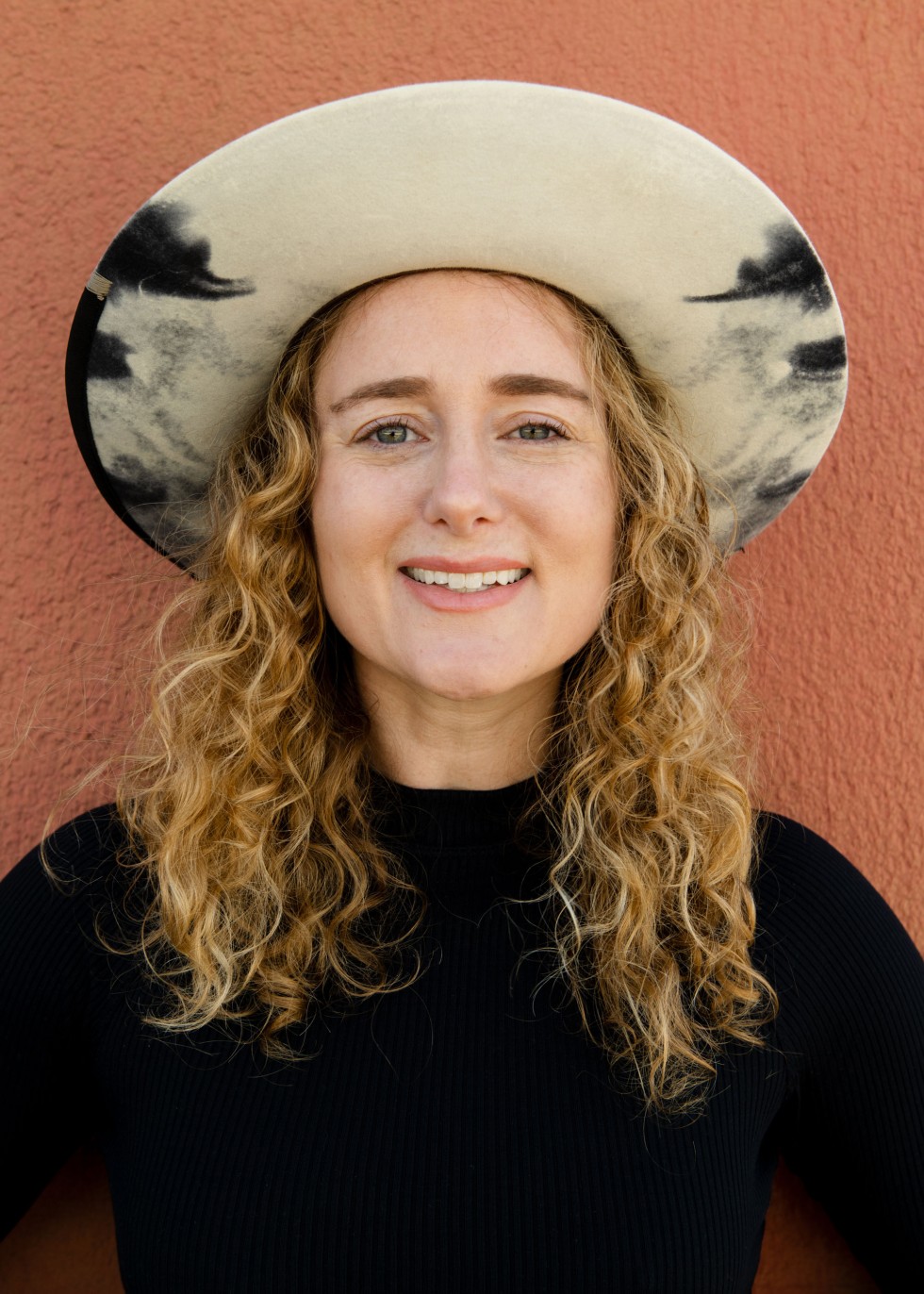
For Lydia Winkler ’13, every problem is a catalyst. The Brooklyn, New York-based entrepreneur co-founded RentCheck, a property-inspection software platform, in 2019 after a landlord dispute during her time at Tulane pursuing her J.D./M.B.A. — and later launched REEP Now (Relief Effort for Earning Parole), a nonprofit bridging the legal gap for parole applicants in Louisiana. Inc. Magazine named her one of its Top 100 Female Founders, and Business Insider called her a Rising Star in Real Estate. Last fall, she gave a TEDx talk called “Lessons from Burning Alive,” sharing the story of how she survived a paraplane crash that left her with new skin and a sharper sense of purpose. Now she’s helping organize the inaugural Kenyon Women’s Conference this October. She spoke with the Kenyon Alumni Magazine about building from injustice, irrational optimism and the tree burned into every hat she wears.
When you founded RentCheck, what problem were you trying to solve, and how did you know you were onto something?
I founded RentCheck in 2019 after my landlord during law school unjustly kept my security deposit. I decided it would be an injustice not to pursue it, so I represented myself — and won. I realized not everyone has the time, education and funds to sue their landlord. RentCheck grew out of that: a software solution to properly document the condition of rental units. Once landlords and renters started finding it on their own and using it, I knew it was working.
You also founded REEP Now, a nonprofit focused on parole advocacy — work that’s pretty far afield from real estate tech. What connects them for you?
Both came from problems that were right in front of me. RentCheck started with a personal dispute with my landlord. REEP Now began when a 34-year-old parole advocacy program in Louisiana suddenly shut down. Louisiana is one of the incarceration capitals of the world. Parole is one of the most effective tools for safely reducing incarceration, but many people don’t have access to the legal support required to navigate the process. When that organization closed, it left a real gap. REEP Now was created to help fill it. In both cases, I wasn’t sitting around trying to invent something. I saw a problem that felt unjust and decided to do something about it.
Was there ever a moment when you thought RentCheck wasn’t going to make it? What got you through it?
You have to be a little delusional to build a company. You’re constantly doing things you’ve never done before. There’s no playbook, and no guarantee anything will work. So part of the job is believing it will anyway. Honestly, I never thought it wouldn’t work. But there were moments, like in any business, when the lows were really low. You just keep going. Entrepreneurs are, by definition, slightly irrational optimists. If we weren’t, no one would ever start anything.
In November you gave a TEDx talk called “Lessons from Burning Alive.” That’s a striking title. What does it mean, and what’s the central lesson you wanted people to walk away with?
Early in building RentCheck, I flew a paraplane for the first time, crashed into a tree, and ended up hanging upside down about 110 feet in the air with fuel pouring over me and my skin burning. In that moment, I had a choice: unclip my seatbelt and fall to my death to escape the pain, or stay there and trust that something better was ahead. I stayed. Eventually I was rescued. I was badly burned, but I recovered. The lesson I carry with me is simple: life is worth living, even when it hurts. The pain is part of the beauty of being alive.
What’s next for you? Are there new projects or problems on the horizon you’re excited to tackle?
Always. I’m interested in building things across different mediums right now — companies, ideas and art. I’ve always believed creativity and entrepreneurship are closely related. At the end of the day, I’m drawn to interesting problems and interesting people. That usually leads to the next thing. Stay tuned.
You’re helping plan Kenyon’s inaugural Women’s Conference this October, which will bring alumnae back to the Hill to talk about everything from entrepreneurship to politics to the arts. Why does a gathering like that matter right now, and what are you hoping it creates?
Kenyon made us who we are. Those formative years in Gambier shaped how we think, how we question things, and the kinds of lives we go on to build. The conference is an opportunity to bring that community back together: entrepreneurs, artists, policymakers, students — all creating space for real conversations across generations of women. I’m excited to help build something that feels thoughtful, energizing and very Kenyon. This will not be your typical conference. Prepare to be surprised.
Your father, Matthew Winkler ’77 H’00 P’13, was a member of the Kenyon Class of ’77. What was it like to follow him to the Hill, and how did your time there shape who you became as an entrepreneur?
It’s special to share this magical place together. To have walked the same path and then carved my own is something I don’t take lightly. Kenyon pushed me to ask questions, stay curious and think independently. Those instincts have shaped everything I’ve done since.
What advice would you give a Kenyon student who wants to start something but isn’t sure how or where to begin?
Start before you feel ready. No one is going to give you permission. You just have to begin. Ask good questions, stay curious and execute. The rest you figure out along the way.
Final question: Your website mentions that you’re known for wearing custom bolo ties and a signature hat — both of which, it teases, have stories to tell. We have to ask: what are they?
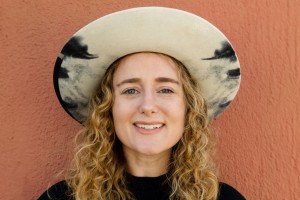
After the paraplane crash, I had a pretty miraculous recovery, but I ended up with brand-new skin that’s very sensitive to the sun. So I decided to lean into hats. Each year, a milliner in southern California makes me a custom hat. On the inside, they burn a graphic of the poplar tree I crashed into. When I put the hat on each morning, the tree rests against my forehead. It’s a daily reminder to push forward and make the most of the time I was given.
As for the bolo ties, it started as a gift for my Mardi Gras Krewe in New Orleans and my Burning Man camp. I’ve been making them for about a decade. Hundreds at this point. They’re bizarre and joyous, which feels about right.
Save the date for the Kenyon Women's Conference, Oct. 23-25, 2026, and to join alumni and students on campus for a conference that will celebrate women’s leadership, shared experiences and the power of community. All are welcome to attend.
Posted in
Alumni NewsAuthor
Elizabeth WeinsteinFrom Alumni Magazine - Spring 2026
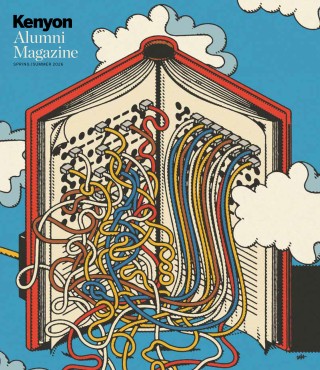
Virginia McBride ’15 uses an interdisciplinary approach at the Metropolitan Museum of Art to work with photographs…
Read The StoryKenyon’s liberal arts approach to AI and computing prepares students to shape — and question — the technologies…
Read The StoryKenyon produces top journalists without offering a journalism degree.
Read The Story